

Park Information
PNP has a combination of all different vegetation zones found in other parts of the country.
- Location: Park covers four districts
- Total Area: 905 km2
- One of the recent parks to be placed under management

Faunal and Floral Diversity
Species of mammals
0
species of birds
300
species of plants
700
Inhabitants
people reside inside the Parks
5000
Livelihoods
Residents are mostly farmers dependent on agriculture and livestock farming.
Non-wood forest products such as mushrooms and herbal plants support the park residents in income-generation
Camping and Trekking Sites
Popular Trekking Routes
Briddungla (110 lakes), Chungphel-Buli Trek (6 days trek) where trekkers can experience Fir forests and the habitat of the tiger. Rodhungla Tang-Ungar-Gorgan Trek (5 days trek) where trekkers can experience ruins of stone houses reminiscent of ancient Bhutan and habitats of the Tiger and terrestrial birds
PNP's Future with Bhutan for Life
Degraded lands within PNP mapped and restored with climate-smart mechanisms
PNP equipped with adequate and competent staff as well as essential equipment and infrastructure
Conservation status of other high-profile, lesser known, endangered and endemic flora and fauna species determined
Increased tiger population
High-biodiversity habitats, degraded forests, and climate refugia designated
An innovative Human-wildlife Conflict mitigation mechanism implemented in JSWNP
Forest quality and extent is maintained
New nature-based local enterprises implemented
Risk and Threats
Climate change
The 2012 BWS socio-economic survey indicated that 94% of the households in Bumdeling believed that climate change was threatening the area, indicating warmer climate, less snow, and erratic rainfall
Infrastructure development
With many development activities, such as construction of roads communication infrastructures, and power lines, being carried out, the park has lost substantial amount of extensive pristine land areas over the past decades and furthermore have contributed to the ecological disturbances
Major Projects
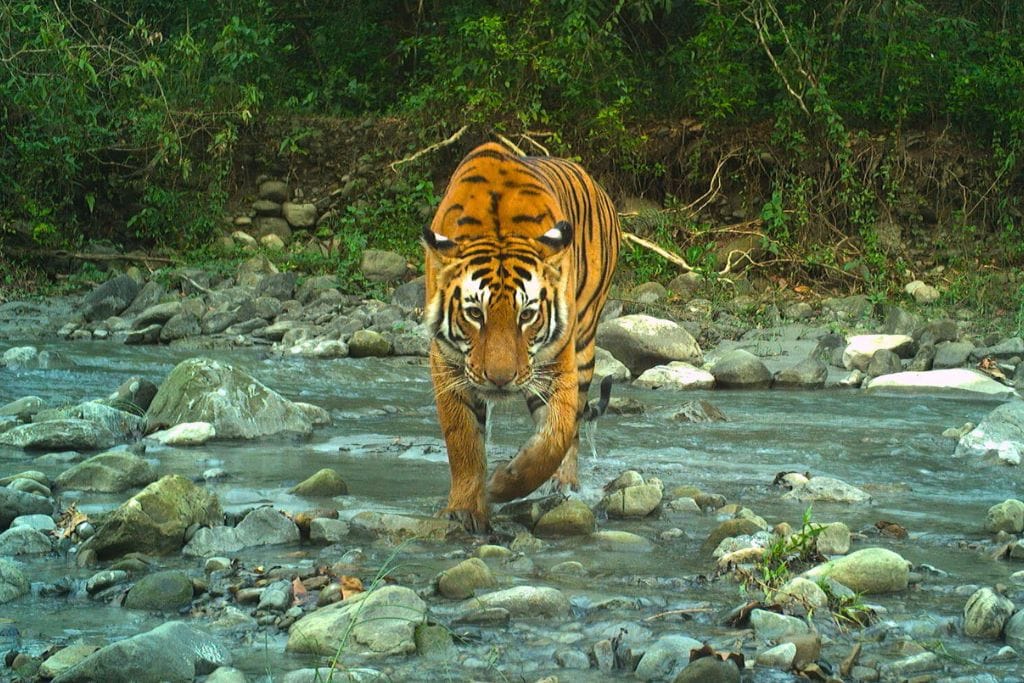
Bhutan has reached a new milestone with a 27% increase in the tiger population since…
Management Plan
This conservation management plan describes in details the importance of the park in ensuring biological continuity and ecosystem integrity, human communities and economic status; experiences and challenges, achievements from the past conservation management plan, threats and strategic actions for next 10 years. This plan also includes implementation work plans with budget outlay, monitoring, and evaluation approach for the planned activities.